Understanding SSO ID: A Comprehensive Guide to Single Sign-On Identity Management
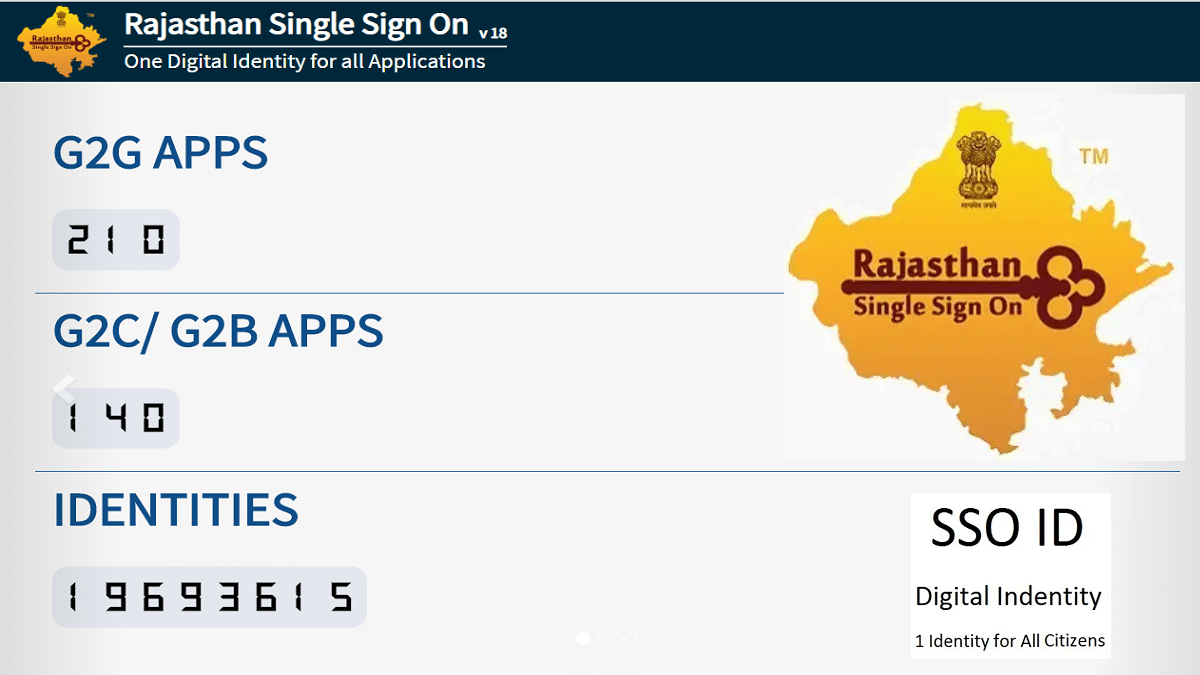
In today’s digital world, where data privacy and security are at the forefront of every business’s concerns, Single Sign-On (SSO) technology has emerged as a game-changer. Whether you're managing a team, developing a product, or ensuring secure access for your users, SSO is a critical tool that simplifies authentication processes. But, what exactly is an sso id, and why is it so crucial for modern identity management? This article aims to explain the concept of an SSO ID in-depth, the technology behind it, and how it benefits both businesses and users.
What is Single Sign-On (SSO)?
Single Sign-On (SSO) is an authentication process that allows a user to access multiple applications or systems with a single set of credentials (username and password). Instead of remembering and managing several different usernames and passwords for each app or service, users only need to log in once, and they can automatically access all linked applications.
SSO works by maintaining a central identity provider (IdP) that acts as the authority for authentication. Once the user logs in to the IdP, they are granted access to various services and applications without needing to re-enter their credentials.
The Role of SSO ID in the Authentication Process
The concept of an "SSO ID" refers to a unique identifier assigned to a user within an SSO system. This ID is used to map the user's identity across different applications. When you log into an SSO system, your SSO ID is the key that links your authentication session to your account, ensuring seamless and secure access to the various applications or systems associated with your identity.
For example, consider a company that uses Google Workspace, Salesforce, and Slack. Once a user logs into one of these applications (for instance, Gmail), they don't need to log into each of the others separately. Their SSO ID ensures that their session is recognized across all platforms, and their identity is validated through the central authentication system.
How SSO ID Works in Practice
To better understand how an SSO ID functions in real-world applications, let’s break down the process:
User Authentication: The user enters their credentials (username and password) to log into the Identity Provider (IdP). The IdP could be a service like Okta, Azure Active Directory, or Google Identity.
Issuance of Token: Upon successful authentication, the IdP generates an authentication token that contains the SSO ID and other metadata related to the user’s session (like user roles and permissions).
Access to Multiple Applications: The token is then passed to other integrated applications, such as cloud services, enterprise applications, or internal tools. The SSO ID within the token is used by these applications to authenticate the user and allow access.
Seamless Experience: The user doesn't need to re-enter their credentials for each service, as long as their session is valid. This is the essence of "single sign-on"—a streamlined and secure process that boosts user experience.
Key Benefits of SSO ID
Improved User Experience: The primary benefit of an SSO ID is convenience. Users only need to remember one set of credentials, making it easier for them to access various services without the hassle of multiple logins. This not only saves time but also improves productivity, especially in corporate environments.
Enhanced Security: Although the convenience of single login may seem like a risk, SSO can actually increase security when implemented correctly. Since users only log in once, the chances of weak or repeated passwords across services are minimized. Additionally, security measures like Multi-Factor Authentication (MFA) can be easily integrated into the SSO system, further strengthening the login process.
Reduced IT Management Overhead: For IT administrators, managing a single identity across multiple platforms is far easier than managing individual logins. With an SSO ID, administrators can quickly deactivate a user’s access to all services in case of an emergency (e.g., an employee leaves the company). Moreover, they can enforce consistent password policies and manage user permissions more effectively.
Lower Risk of Data Breaches: With fewer passwords in circulation and a more unified authentication process, the likelihood of data breaches or password-related attacks decreases. Since users don’t have to remember numerous passwords, there is less temptation to use insecure or repetitive credentials across platforms.
Centralized User Data: SSO systems often allow organizations to collect and analyze data related to user access and behavior. This can be invaluable for auditing purposes, monitoring user activities, or identifying potential security threats.
Use Cases of SSO IDs in Different Environments
Corporate Environment
In the corporate world, SSO IDs are particularly useful for employees who need access to a variety of internal applications.ssoid Whether it’s an HR platform, a project management tool, or a cloud-based CRM system, employees can sign in once and gain access to all the resources they need without hassle. This significantly reduces password fatigue and allows businesses to maintain a more secure and efficient IT infrastructure.
Educational Institutions
Many universities and colleges use SSO systems to grant students and faculty access to online learning platforms, email services, and campus resources. Students can access lecture notes, submit assignments, and participate in discussions—all with a single sign-on.
Consumer Applications
On the consumer side, you’ve likely used your Google or Facebook account to sign into third-party apps like Spotify, Netflix, or Uber. These are examples of consumer-facing SSO systems, where the SSO ID (linked to your Google or Facebook account) is used to authenticate your identity across various services. This eliminates the need to create new accounts and remember different passwords for each service.
Challenges and Considerations with SSO ID
While SSO IDs offer numerous benefits, they are not without their challenges. Organizations must be careful about ensuring the security of their Identity Provider (IdP), as it becomes the single point of failure. If the IdP is compromised, attackers could potentially gain access to all connected services.
Additionally, it’s important to consider the user experience. If an SSO system is poorly designed or becomes too complex, it can negate the convenience factor for users. Ensuring seamless integration across multiple platforms and maintaining an intuitive interface is crucial for maximizing the benefits of SSO.
The Future of SSO ID
As businesses continue to migrate to cloud-based systems and workforces become more distributed, the use of SSO is only expected to grow. New technologies, like biometric authentication and AI-powered access controls, are likely to become part of the SSO landscape, providing even more secure and user-friendly authentication solutions.
Moreover, with the rise of decentralized identities (DIDs) and self-sovereign identity systems, the traditional model of SSO may evolve. In the future, users may have more control over their identity, deciding which applications they wish to authenticate with and under what conditions.
Conclusion
In summary, an SSO ID is an essential element in today’s identity and access management systems. It simplifies authentication, enhances security, and provides both users and administrators with a smoother experience. By adopting SSO, organizations can ensure that their users have secure and seamless access to a range of applications, while reducing the risks associated with password management and data breaches. As the digital landscape continues to evolve, the importance of SSO IDs in modern identity management will only continue to grow.